
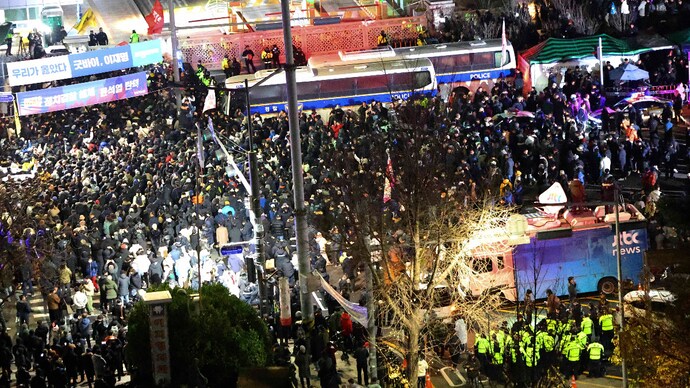
The unfolding crisis in South Korea surrounding President Yoon Suk Yeol's martial law declaration reveals a nation deeply divided, with profound implications for its democracy, economy, and social fabric. The investigation into Yoon for "insurrection" is unprecedented, not only because of the grave nature of the charges but also due to the broader ramifications for South Korea's democratic institutions.
The Fragility of Democratic Norms
Martial law is a drastic measure, historically linked to the suppression of dissent and the erosion of civil liberties. In South Korea, it evokes painful memories of past authoritarian regimes, making Yoon’s decision even more controversial. His justification—combating "pro-North anti-state forces"—aligns with Cold War-era rhetoric that many South Koreans associate with political manipulation rather than genuine security concerns.
The backlash from citizens and lawmakers alike underscores the populace’s commitment to democracy. The image of Ahn Gwi-ryeong standing fearlessly against armed soldiers symbolizes the determination of ordinary South Koreans to defend democratic principles, even at personal risk. Her actions, alongside protests across the nation, reflect a collective refusal to tolerate authoritarian overreach.
Economic Consequences
The economic fallout is already tangible, with South Korea’s Kospi index declining and major corporations like Hyundai and Kia experiencing significant stock losses. This downturn illustrates the fragility of investor confidence in politically unstable environments. Workers' walkouts, calling for Yoon’s resignation, highlight a workforce unwilling to separate economic policy from democratic accountability.
Yoon's "Corporate Value-up Programme" may have benefited certain sectors, but its gains are now overshadowed by the administration’s instability. A prolonged crisis could discourage foreign investment and further strain South Korea's export-driven economy, particularly as global markets remain sensitive to political upheavals.
Political Calculations and Risks
The impeachment vote represents a pivotal moment. With five ruling party MPs expressing indecision, the opposition needs only a few defections to move forward. This fragility within the ruling People Power Party demonstrates growing discontent even among Yoon’s allies, suggesting his support base is eroding.
Historical patterns also loom large. South Korean presidents often face legal reckoning after leaving office, a testament to the nation’s robust—if often tumultuous—accountability mechanisms. Yoon, a former prosecutor, must be acutely aware of the potential consequences should he lose power.
The Role of the Public
Public sentiment is overwhelmingly against Yoon, with nearly three-quarters favoring impeachment. Yet the vocal minority of pro-Yoon supporters, often older and rooted in conservative and religious values, illustrates the cultural and ideological divides that complicate consensus in South Korean politics. Their narratives of national collapse and distrust of opposition leaders reflect a deep-seated fear of change, even as younger generations and progressives demand greater transparency and reform.
A Path Forward
South Korea's immediate challenge lies in navigating this crisis without further destabilization. Transparent and impartial investigations are essential to restoring public trust. The ruling party must demonstrate political maturity by prioritizing national stability over partisan loyalty, while opposition leaders should focus on constructive governance rather than simply capitalizing on Yoon’s missteps.
For the broader public, the crisis is a stark reminder of the vigilance required to uphold democracy. Grassroots movements, like those led by unionists and citizens, play a crucial role in maintaining accountability, but these efforts must remain peaceful and focused on systemic reforms rather than retributive justice.
Conclusion
The situation surrounding President Yoon is a litmus test for South Korea’s democratic resilience. While the immediate outcomes—impeachment, resignation, or continued protests—will shape the nation's political trajectory, the deeper question is whether South Korea can emerge from this crisis with stronger institutions and a renewed commitment to democratic ideals. The global community, watching closely, should draw lessons from this moment about the enduring tension between power, accountability, and the will of the people.
Source: