
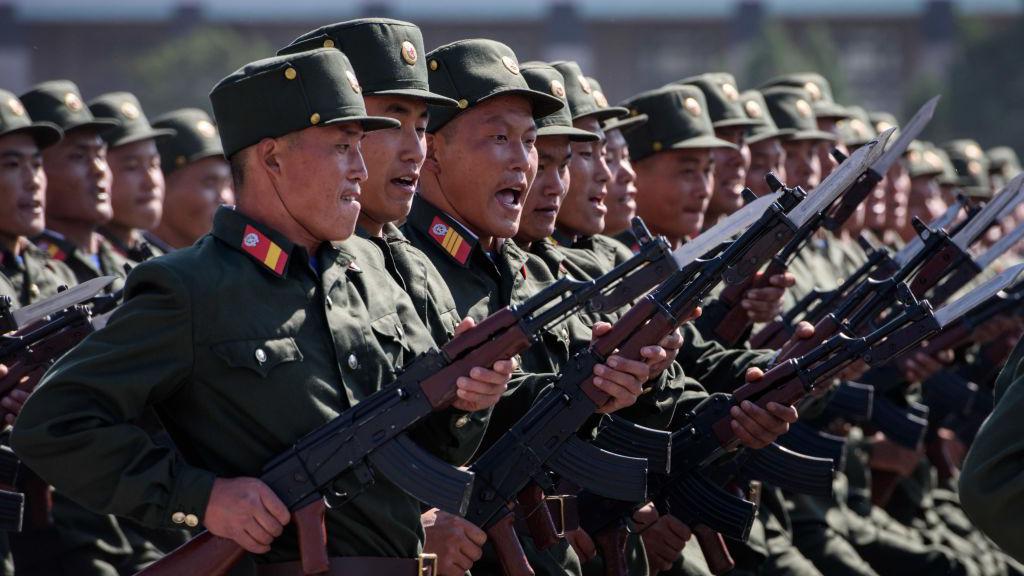
The revelation by Ukraine's Defense Intelligence (DIU) about the deaths of 200 Russian and North Korean soldiers in combat raises critical concerns over the evolving dynamics of the Ukraine conflict. Russia's alleged deployment of North Korean soldiers as part of its combined military units represents not only a new escalation but also a strategic gamble with potential for backfiring.
The North Korean Factor: Desperation or Strategic Experiment?
North Korea’s involvement in Russia's war against Ukraine, if confirmed, is a stark reflection of Moscow’s growing resource constraints. With heavy casualties and recruitment difficulties, Russia appears to be leaning on an unconventional ally to bolster its frontlines. North Korea, in turn, likely sees this as an opportunity to support a powerful partner in exchange for economic aid, weapons technology, or international leverage.
However, this alliance introduces significant operational challenges. Language barriers, as reported, have already led to friendly fire incidents, weakening coordination and morale. The incident involving the deaths of eight Chechen Kadyrov soldiers due to North Korean "friendly fire" highlights the perils of integrating disparate forces under high-stress combat conditions.
Implications for the Battlefield
The deployment of North Korean troops could influence the tactical landscape in Ukraine. These soldiers may bring fresh manpower and unconventional combat tactics to the table, potentially complicating Ukraine's defense strategies. However, their effectiveness is questionable given the reported “irreversible losses” they have already suffered and the apparent operational inefficiencies caused by poor communication.
Ukraine’s success in targeting these combined units also signals the adaptability and precision of its military forces. The use of FPV drones and collaboration across multiple brigades demonstrates Ukraine’s capacity to counter evolving threats effectively.
Broader Geopolitical Consequences
The inclusion of North Korean forces may have wider geopolitical ramifications. It deepens the alignment of authoritarian states opposing Western influence, showcasing a partnership that bypasses traditional international norms. For North Korea, this participation could provoke further isolation and sanctions, particularly from South Korea and the United States, which have already accused Pyongyang of sending thousands of troops to aid Russia.
For Russia, this move risks alienating neutral or hesitant actors on the global stage. Aligning with North Korea—a pariah state known for human rights abuses—further erodes Russia’s credibility, even among its few remaining allies.
Zelenskyy’s Warning and the Path Ahead
Ukrainian President Volodymyr Zelenskyy’s warning about the potential expansion of North Korean troops to other frontlines is a sobering reminder of the conflict's escalating stakes. As the war enters increasingly unconventional phases, the international community must monitor these developments closely.
Diplomatic and military support for Ukraine remains crucial to counter this growing axis of aggression. Simultaneously, efforts to isolate North Korea economically and diplomatically must intensify, ensuring that its participation in such conflicts comes at a high cost.
Conclusion: A Risky Gamble with Limited Returns
Russia’s reliance on North Korean soldiers highlights the strains on its military and the desperation driving its strategy. However, operational inefficiencies, morale issues, and international backlash make this alliance a double-edged sword. For Ukraine and its allies, this development reinforces the need for continued vigilance, unity, and support to ensure that such unconventional partnerships do not alter the trajectory of the conflict in Russia’s favor.