
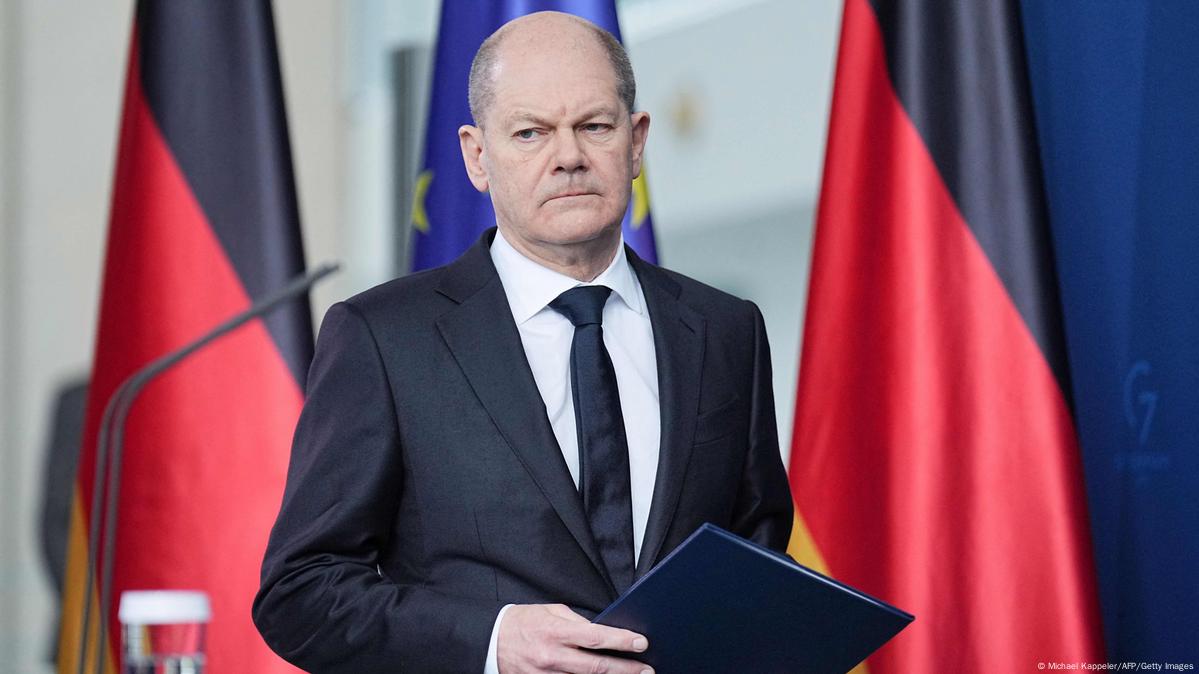
German Chancellor Olaf Scholz’s assertion of a potential joint strategy on Ukraine with U.S. President-elect Donald Trump raises significant questions about the future of Western unity in addressing the war in Ukraine. While Scholz’s optimism is commendable, the complexities of aligning Germany’s stance with a Trump-led U.S. administration could test the resilience of transatlantic cooperation on a critical global issue.
The Importance of a Unified Ukraine Strategy
Ukraine’s ongoing conflict with Russia represents a pivotal front in the defense of democratic values and territorial sovereignty. Both Germany and the United States have been central players in supporting Kyiv, providing financial, military, and diplomatic aid. However, diverging domestic political dynamics and leadership styles could complicate this partnership at a time when cohesion is crucial.
Scholz’s guiding principle—that nothing should be decided without Ukraine’s input—is a pragmatic stance. It aligns with the broader Western ethos of supporting Ukraine’s sovereignty. Yet, this principle must also contend with the realities of Trump’s unpredictable foreign policy track record and “America First” ideology, which often prioritizes domestic considerations over global coalitions.
Challenges of Working with Trump
Trump’s History with Ukraine:
Trump’s past dealings with Ukraine, including his impeachment over the withholding of military aid in 2019, highlight a fraught relationship. His approach to foreign policy often reflects transactional tendencies rather than steadfast alliances. Convincing him to maintain robust support for Ukraine could prove challenging, particularly if he perceives limited direct benefits to the U.S.Differences in Military Aid Strategy:
Scholz’s opposition to sending Taurus cruise missiles, citing concerns about escalation, contrasts with Trump’s past willingness to supply lethal aid but under conditional terms. Aligning these divergent approaches requires delicate diplomacy, especially as pressure mounts domestically within Germany to bolster military support for Kyiv.Election Pressures and Political Dynamics:
With Germany heading into snap elections and Scholz facing a formidable challenge from Friedrich Merz, the domestic political climate is already volatile. The need to project a unified front on Ukraine while navigating internal and external pressures places Scholz in a precarious position.
Potential Pathways for Alignment
Leverage Shared Strategic Interests:
Scholz and Trump could focus on shared goals, such as countering Russian aggression and ensuring stability in Europe. Highlighting mutual benefits—economic, security, and geopolitical—could help bridge gaps in their approaches.Engaging Allies in the Equation:
Germany and the U.S. should work through multilateral frameworks like NATO and the EU to craft a cohesive Ukraine strategy. By involving a broader coalition, they can dilute individual differences and reinforce collective commitments to Kyiv.Focus on Reconstruction and Diplomacy:
Beyond military aid, collaboration on Ukraine’s post-war reconstruction could be a unifying agenda. Investments in rebuilding infrastructure and governance offer a non-military avenue for support that aligns with Scholz’s cautious stance and could appeal to Trump’s business-oriented mindset.
Broader Implications for Western Unity
German Chancellor Scholz confident of joint Ukraine strategy with TrumpScholz’s confidence in achieving alignment with Trump reflects a recognition of the high stakes involved in Ukraine. However, this partnership will serve as a litmus test for the broader transatlantic relationship under new leadership dynamics. Failure to maintain a cohesive strategy risks emboldening Russia, weakening Ukraine’s position, and undermining the global democratic order.
As Scholz navigates domestic electoral challenges and the complexities of working with a Trump administration, the need for pragmatism, diplomacy, and steadfast commitment to shared values will be paramount. For the sake of Ukraine and the global community, Germany and the U.S. must find common ground, even amid their differences.
Source: